
Introduction
“In markets, you need a blend of arrogance and humility.” — Bruce Kovner
Bruce Kovner’s life reads like a movie script: a young man with intellectual gifts but no clear direction, hustling as a New York City cab driver who eventually becomes a billionaire hedge fund manager, shaping one of the most successful macro hedge funds in history, Caxton Associates. As of April 2024, his net worth was estimated at US$7.7 billion.
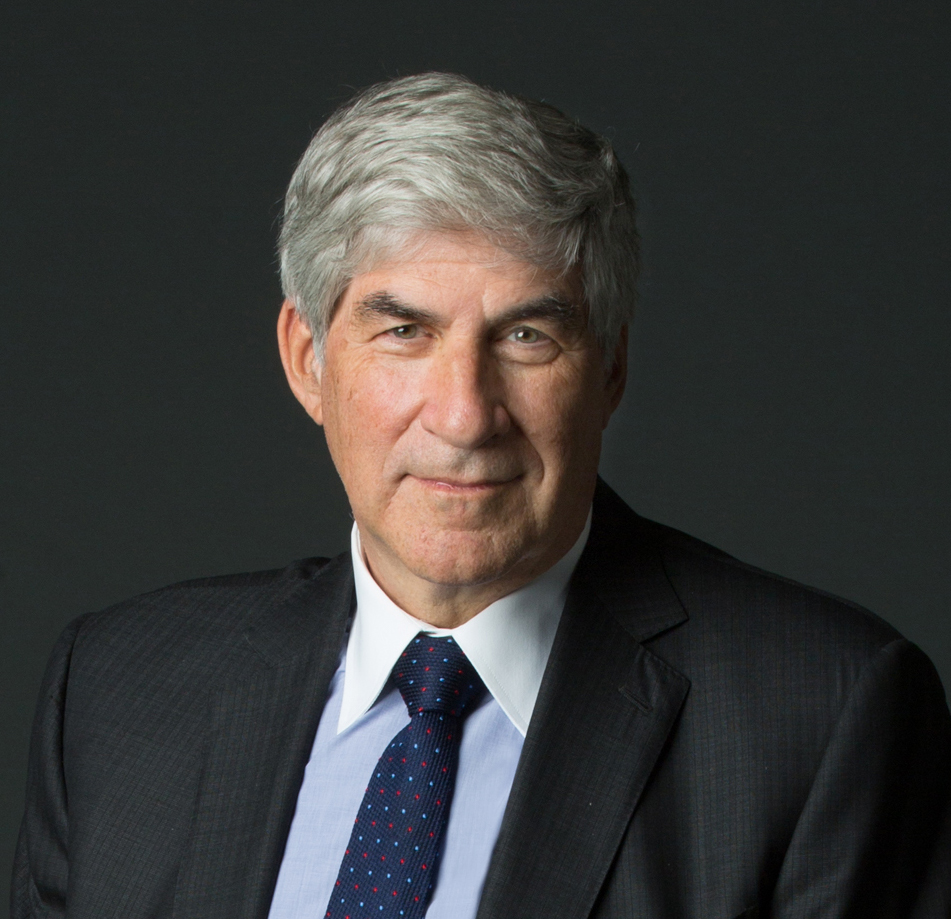
Illustration 1: Bruce Kovner
But his story is more than just rags to riches. It’s a masterclass in entrepreneurial resilience, risk-taking, and strategic thinking, offering a blueprint for ambitious investors and dreamers alike. This article will go the entrepreneurial journey of Bruce Kovner in order to determine the lessons future investors and entrepreneurs can learn from him.
Early Life: A humble start with an academic bent
Bruce Stanley Kovner was born in 1945 in Brooklyn, New York, to a Jewish family of modest means. His early years showed signs of intellectual brilliance, he excelled academically and was eventually accepted into Harvard University, where he studied political science at the John F. Kennedy School of Government. During his time at Harvard his mother died by a hanging suicide at his families home in 1965.

Illustration 2: Bruce Kovner studied at Harvard, but dropped out of his PhD program.
But despite his Ivy League education, Kovner dropped out of his PhD program before completing it. His early adult years were marked by a sense of aimlessness. He worked as a writer, a pianist, and eventually, famously, as a cab driver where he earned just enough to get by in New York City.
This shows and teaches future potential investors and entrepreneurs that your current status does not define your future potential. Even if you’re behind the wheel of a taxi, it’s your mindset that drives your future.
The turning point, Kovner’s first taste of the market
In 1977, at the age of 32, Kovner made his first trade, a decision that would change his life forever. He borrowed $3,000 against his MasterCard and bought soybean futures, which rose dramatically in value. The position grew to $40,000, but in a gut-wrenching twist, he held on too long and exited with just $23,000 in profits. That first experience taught him a core principle of trading which is risk management. “I almost lost it all… I learned how important it is to preserve capital. That lesson has never left me.” It also showed a trait common in great entrepreneurs that they all learn fast from mistakes.

Illustration 3: Trading soybean futures was where Kovner’s turnaround started.
Shortly after his first trade, Kovner joined Commodities Corporation, a trading firm that also nurtured legends like Paul Tudor Jones and Michael Marcus.
It was here that Kovner honed his macro trading skills, using fundamental analysis, global economic indicators, and market psychology to anticipate major price movements in commodities, currencies, bonds, and equities. His performance at Commodities Corp was nothing short of phenomenal, regularly generating double- and triple-digit returns.
The following lessons can be learned from this which is to seek mentorship and elite environments. By surrounding yourself with skilled, like-minded professionals you accelerate your growth. You have to study the game deeply, Kovner dove into global macroeconomic trends understanding, the “why” behind market moves. Lastly, Kovner was known for balancing intuition and data. He trusted his gut, but only after intense analysis and scenario planning.
Founding Caxton Associates: The Birth of a Billion-Dollar Fund
In 1983, Kovner struck out on his own, founding Caxton Associates, a global macro hedge fund that would become one of the most respected and consistently profitable funds in history.
Illustration 4: Caxton Associates was founded by Bruce Kovner
Kovner invested his own capital, managed risk obsessively, and recruited top talent, establishing a culture of intellectual rigor and emotional discipline. His entrepreneurial leap was bold, he wasn’t just trading anymore but he was building a business, with a vision and a team.
Under his leadership, Caxton never had a losing year while he was at the helm, achieving average annual returns of around 21% for nearly two decades. At its peak, Caxton managed over $14 billion in assets.
Entrepreneurial traits of Kovner
Kovner was well known for his relentless curiosity. Kovner wasn’t formally trained in finance. Yet he devoured books on markets, economics, psychology, and political history. He knew that to trade globally, you must think globally. An important lesson from this is to never stop learning. The market rewards deep understanding, not surface-level trends.
He was willing to take bold positions, betting billions on global events, but always maintained tight risk controls, rarely risking more than 1–2% of capital on any trade. The lesson from this is that big rewards come from long-term survival, not reckless gambles.
Kovner invested heavily in building teams of researchers, analysts, and traders. He believed in empowering talent and sharing knowledge, a trait that many great entrepreneurial leaders share.
Markets change, and Kovner’s flexibility, switching strategies, asset classes, and regions, allowed Caxton to thrive in both bull and bear markets. One of the hallmarks of Bruce Kovner’s career is that he never had a losing year while running Caxton Associates, even during periods of extreme volatility, financial crises, and bear markets. That’s not just rare, it’s almost unheard of in the hedge fund world. Kovner wasn’t a long-only equity investor.

Illustration 5: Kovner had a successfull track record even during bear markets.
He ran a global macro strategy, which meant he could go long or short virtually any asset class: currencies, commodities, bonds, equities, anywhere in the world.
This gave him a powerful edge in bear markets. While most investors were losing money on falling stocks, Kovner could bet on rising volatility or dislocations in foreign exchange markets, short equities or sectors likely to collapse, Go long on safe-haven assets like U.S. Treasuries or gold, bet on rising volatility or dislocations in foreign exchange markets. Flexibility is one of the greatest defenses against a bear market.
Kovner wasn’t reacting to headlines, he was anticipating them. His deep understanding of macroeconomics and policy allowed him to foresee: Central bank decisions, Currency devaluations, Sovereign debt risks and Structural imbalances in economies. During the Asian Crisis, for instance, he positioned his fund to profit from collapsing currencies in Thailand and Indonesia, shorting those currencies while others were still bullish.
Life after Caxton: Philanthropy and influence
Kovner retired from Caxton in 2011, worth an estimated $5.3 billion, according to Forbes. But he didn’t disappear.

Illustration 6: Kovner became a significant donor to the Julliard School
He became one of New York’s leading philanthropists, funding education, culture, and conservative causes. He founded the Julliard School’s Kovner Fellowship, supporting gifted musicians and continues to be active in politics, think tanks, and the arts. His success inspired a generation of macro traders, and his approach is still studied in financial circles today.
Conclusion
Bruce Kovner is a beacon for those who feel stuck, uncertain, or “too late” to start something great. He wasn’t a teenage prodigy, nor a Silicon Valley founder. He was a cab driver in his 30s who studied obsessively, took a bold leap, and built a financial empire.

Illustration 7: A NYC taxi cab. Kovner worked as a taxi driver before becoming a CEO Fund manager.
In an age where people chase fast money and viral fame, Kovner’s story is a reminder that discipline, depth, and daring are the timeless keys to success.
 Insight Post